
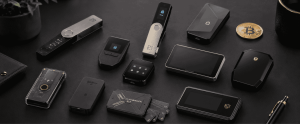
Keeping your crypto on an exchange is like leaving cash on a park bench — convenient, but risky. In 2026, with over $3 trillion in digital assets circulating globally, self-custody has shifted from niche advice to essential practice. Hardware wallets — physical devices that store your private keys offline — are the gold standard for protecting Bitcoin, Ethereum, and thousands of other coins.
The good news for beginners: these devices are no longer the complicated gadgets they once were. Today’s best hardware wallets combine military-grade security with plug-and-play simplicity. Whether you’re safeguarding your first $500 in Bitcoin or building a serious long-term portfolio, there’s a device built for you.
Here are the 10 best hardware wallets for beginners in 2026, ranked for ease of use, security, and value.
1. Ledger Nano X — Best Overall for Beginners
The Ledger Nano X remains the most recognized name in hardware wallets for good reason. It supports over 5,500 coins and tokens, connects via Bluetooth to iOS and Android, and pairs with the Ledger Live app for a seamless desktop and mobile experience.
Its Secure Element chip (the same technology used in passports and credit cards) stores private keys in an isolated environment that no internet-connected software can reach. For beginners, the guided setup process in Ledger Live takes less than 10 minutes, and the interface makes it easy to send, receive, and stake crypto without confusion.
Why it matters: Bluetooth connectivity and a massive coin library make the Nano X the most versatile beginner option on the market.
Growth potential: Ledger’s ecosystem continues expanding with NFT support, DeFi integrations, and a growing hardware wallet market projected to exceed $2 billion by 2028.
2. Trezor Model One — Best Budget Pick
Trezor launched the world’s first hardware wallet in 2014, and the Model One still delivers exceptional security at a price under $70. It supports Bitcoin, Ethereum, and hundreds of ERC-20 tokens through the Trezor Suite desktop app.
The open-source firmware is a major trust factor — security researchers worldwide can audit the code. For beginners focused on Bitcoin and major altcoins, the Model One covers every essential use case without unnecessary complexity.
Why it matters: Open-source, affordable, and battle-tested over a decade — it’s the smartest entry-level buy for security-conscious newcomers.
3. Trezor Safe 5 — Best Premium Trezor Option
Trezor’s flagship 2025 upgrade, the Safe 5, brings a color touchscreen, enhanced PIN security, and support for passphrase protection. The device uses a discrete secure element alongside open-source firmware — a rare combination that balances transparency with chip-level security.
It supports over 9,000 coins and integrates directly with MetaMask and other popular Web3 wallets. For beginners willing to spend more upfront, the Safe 5 eliminates nearly every learning curve with its intuitive touch interface.
Why it matters: The touchscreen dramatically reduces setup errors — a common pain point for first-time hardware wallet users.
4. Coldcard Mk4 — Best for Bitcoin Purists
The Coldcard Mk4 is purpose-built for Bitcoin and is widely considered the most secure consumer hardware wallet available. It supports air-gapped transactions (signing without ever connecting to a computer), advanced multi-signature setups, and PSBT (Partially Signed Bitcoin Transactions).
It’s not the most beginner-friendly option out of the box, but Coldcard’s documentation and the active Bitcoin community make the learning curve manageable. For those serious about Bitcoin-only security, no device comes close.
Why it matters: If Bitcoin self-custody is your primary goal and security is non-negotiable, the Mk4 sets the standard.
5. Keystone 3 Pro — Best Air-Gapped Option for Beginners
The Keystone 3 Pro operates completely offline — it communicates with software wallets via QR codes rather than USB or Bluetooth. This air-gapped design means hackers have no physical connection to exploit.
It features a large 4-inch touchscreen, a rechargeable battery, and integrates natively with MetaMask, Rabby, and major DeFi platforms. Three separate security chips protect the seed phrase. For beginners who want air-gap security without an intimidating setup, Keystone is the standout choice in 2026.
Why it matters: QR-based signing makes advanced security accessible to users who aren’t technical experts.
6. Foundation Passport — Best Open-Source Air-Gap Wallet
The Foundation Passport is another fully open-source, air-gapped hardware wallet designed specifically for Bitcoin. It’s powered by AA batteries (no charging required), uses QR codes for transaction signing, and ships with a transparent case so users can visually verify no hidden components are present.
Foundation has built a reputation for radical transparency, publishing all hardware schematics and firmware publicly. The Passport pairs with its own companion app, Envoy, which guides beginners through setup step by step.
Why it matters: Transparency and offline operation make the Passport a top pick for privacy-focused beginners entering Bitcoin long-term storage.
7. BitBox02 — Best for Simplicity and Privacy
Swiss-made by Shift Crypto, the BitBox02 comes in two editions: Bitcoin-only and multi-edition. The Bitcoin-only edition is one of the cleanest hardware wallets out there, with a minimal design, open-source firmware, and a companion desktop app (BitBoxApp) that is very beginner-friendly.
It uses a microSD card for backup instead of a traditional 24-word seed phrase written on paper, which reduces human error during recovery. For privacy-conscious beginners who want simplicity without sacrificing security, the BitBox02 is a consistent top performer.
Why it matters: The microSD backup system solves one of the biggest failure points for new crypto users — mishandling seed phrases.
8. Ledger Stax — Best for NFT and Multi-Asset Users
The Ledger Stax features an E Ink touchscreen that wraps around the device’s edge, allowing users to display their NFT collection or a custom image on the lock screen. More than just looks, it’s compatible with the entire Ledger ecosystem: 5,500+ assets, Bluetooth connectivity, and Ledger Live integration.
For beginners entering crypto through NFTs or multi-chain DeFi, the Stax offers an experience closer to a smartphone than a traditional hardware device. It’s the most premium Ledger product and priced accordingly, but the visual interface genuinely reduces complexity for new users.
Why it matters: NFT display and an intuitive E Ink interface make advanced self-custody feel approachable for the next generation of crypto users.
9. Cypherock X1 — Best for Seed Phrase Backup
The Cypherock X1 completely ditches the seed phrase, a radical departure from every other wallet on this list. Instead, it uses Shamir’s Secret Sharing to split the private key across one main device and four card “shards.” You need any two of the five components to recover your wallet.
This means no single point of failure. If someone finds one card, they can’t access your funds. For beginners terrified of losing a handwritten seed phrase, Cypherock is the most innovative security architecture in 2026.
Why it matters: Distributed key storage solves the single biggest fear most beginners have about hardware wallets: losing access forever.
10. NGRAVE ZERO — Best High-End Option for Serious Beginners
The NGRAVE ZERO is EAL7 security-certified. The highest certification obtainable for any consumer hardware wallet. It operates entirely air-gapped via QR codes, has no USB or Bluetooth connectivity, and pairs with the NGRAVE LIQUID app for portfolio management.
Its companion product, the GRAPHENE stainless steel backup plate, offers fireproof and waterproof seed phrase storage. The device is priced at the premium end, but for beginners making large crypto purchases from the start, the security-to-investment ratio is hard to beat.
Why it matters: EAL7 certification and zero connectivity make this the most objectively secure beginner option when protecting significant assets.
Conclusion
Hardware wallets are no longer optional for anyone serious about crypto. In 2026, the best options for beginners balance ease of use with real security — and the devices on this list prove you don’t have to sacrifice one for the other. For most newcomers, the Ledger Nano X offers the most complete package. Budget-conscious buyers will find the Trezor Model One more than sufficient. And if Bitcoin is your only focus, the Coldcard Mk4 or Foundation Passport sets the gold standard.
Whichever device you choose, the most important step is taking self-custody seriously. Hardware wallets aren’t accessories — they’re the safest home your crypto can have.
Frequently Asked Questions (FAQs)
Q1: What is the best hardware wallet for a complete beginner in 2026?
The Ledger Nano X is widely considered the best starting point. It supports thousands of coins, connects via Bluetooth to your phone, and walks you through setup with a beginner-friendly app. If you want a cheaper entry point, the Trezor Model One covers all the essentials.
Q2: Are hardware wallets really necessary, or is an exchange wallet safe enough?
Exchange wallets are convenient but come with real risks — hacks, insolvencies, and account freezes have cost users billions over the years. Hardware wallets give you full control of your private keys, which means only you can access your funds. For any amount you’re not actively trading, a hardware wallet is strongly recommended.
Q3: What happens if I lose my hardware wallet?
Your funds aren’t stored on the device itself — they live on the blockchain. Your recovery seed phrase (usually 12 or 24 words) is all you need to restore access on a new device. Keep your seed phrase offline, in a secure location, and never share it with anyone.
Q4: Can a hardware wallet be hacked?
Hardware wallets are designed to keep private keys offline and isolated from internet-connected systems, making remote hacking essentially impossible. Physical attacks are theoretically possible but require sophisticated equipment and direct access to the device. Always buy from official manufacturers, never secondhand.
Q5: How much should a beginner spend on a hardware wallet?
Quality hardware wallets range from around $60 (Trezor Model One) to $400+ (NGRAVE ZERO). For most beginners, spending $80–$150 covers devices with excellent security and usability. It makes no sense to spend $250 on a wallet for $100 worth of Bitcoin; invest in proportion to the value of the crypto you are protecting.